Looking for some inspiration in your kitchen? Have some time to cook together with your kids during self-confinement? Why not check out my Expat with Kids Recipes blog?
I have a passion for cooking and a curiosity for any new recipe as long as it is easy, uncomplicated and fast to prepare. Desserts are my speciality but I can bash up a 5 course meal if I have to in a couple of hours.
I adore recipes and have been collecting them since my teens. Only few know, that tucked away I own a third blog called Expat with Kids Recipes. As of late, I have decided to blow some wind into its sails and have revamped the site entirely.
Expat with Kids Recipes are a mix of origins true to my own heritage and travels. You'll find Swiss, American, British, Italian and French recipes. My faible for the Caribbean is also quite apparent in my choice of exotic recipes.
My biggest success is definitely the Italian Tiramisù recipe but the Raspberry&Prosecco version isn't bad either. So, tell me, which is your favourite?
Click HERE, enjoy and BUON APPETITO!
Showing posts with label Recipe. Show all posts
April 21, 2020
October 11, 2019
Betty Bossi, a Swiss hero
On a total different note and feeling slightly homesick, I have decided to share my Swiss hero character with you today.
If you grew up in Switzerland you will know who Betty Bossi is.
Hardly anyone knows her outside the Confederation, but generations of Swiss have grown up with her. Inventor of the fictitious character Betty Bossi is the Zurich advertising specialist Emmi Creola, born as Emmi Maag in 1912.
Taking inspiration from Betty Crocker, Betty Bossi was created by Emmi Creola-Maag for Unilever to help sell margarine to the butter-friendly Swiss. This took form in 1956 as a magazine style leaflet called the Betty Bossi Post, which attempted to answer the eternal question "What Shall I Cook Today?". French on one side and German on the other, the leaflet was so popular that it grew into a full magazine, and then a recipe book.
In 1977 Betty Bossi split from Unilever and it became its own, separate publishing company. The brand continued to flourish, publishing countless cookbooks and expanding into TV and radio, as well as recipe development and convenience foods. Today Betty Bossi is Switzerland's biggest cookbook publisher and can be found in most every household.
Emmi Creola-Maag's creature Betty Bossi became the "cook of the nation" and conquered television when no one in neighbouring Germany thought of cooking shows. Many believe that Helvetia's national cuisine would be different without Betty Bossi.
In 2012 the company was purchased outright by the supermarket chain Coop, which had previously taken a 50% stake in 2001. Today Betty Bossi continues to be one of the dominant authorities on Swiss cuisine, especially for the home cook. The shelves of Swiss houses are lined with her cookbooks and Coop, uses her name on everything from orange juice to ravioli.
The "Betty Bossi" newspaper today has a circulation of around 900,000 copies. Over the past decades, I have had my magazines sent to Geneva, to Buenos Aires, to Milano, to Madrid, to Lugano and now I look forward to receiving my monthly Swiss dose of homemade flavours in Paris. I have been a loyal reader since 1996 because as Lin Yutang once wrote: "What is patriotism but the love of the food one ate as a child?"
If you grew up in Switzerland you will know who Betty Bossi is.
Hardly anyone knows her outside the Confederation, but generations of Swiss have grown up with her. Inventor of the fictitious character Betty Bossi is the Zurich advertising specialist Emmi Creola, born as Emmi Maag in 1912.
Taking inspiration from Betty Crocker, Betty Bossi was created by Emmi Creola-Maag for Unilever to help sell margarine to the butter-friendly Swiss. This took form in 1956 as a magazine style leaflet called the Betty Bossi Post, which attempted to answer the eternal question "What Shall I Cook Today?". French on one side and German on the other, the leaflet was so popular that it grew into a full magazine, and then a recipe book.
In 1977 Betty Bossi split from Unilever and it became its own, separate publishing company. The brand continued to flourish, publishing countless cookbooks and expanding into TV and radio, as well as recipe development and convenience foods. Today Betty Bossi is Switzerland's biggest cookbook publisher and can be found in most every household.
Emmi Creola-Maag's creature Betty Bossi became the "cook of the nation" and conquered television when no one in neighbouring Germany thought of cooking shows. Many believe that Helvetia's national cuisine would be different without Betty Bossi.
In 2012 the company was purchased outright by the supermarket chain Coop, which had previously taken a 50% stake in 2001. Today Betty Bossi continues to be one of the dominant authorities on Swiss cuisine, especially for the home cook. The shelves of Swiss houses are lined with her cookbooks and Coop, uses her name on everything from orange juice to ravioli.
The "Betty Bossi" newspaper today has a circulation of around 900,000 copies. Over the past decades, I have had my magazines sent to Geneva, to Buenos Aires, to Milano, to Madrid, to Lugano and now I look forward to receiving my monthly Swiss dose of homemade flavours in Paris. I have been a loyal reader since 1996 because as Lin Yutang once wrote: "What is patriotism but the love of the food one ate as a child?"
July 20, 2018
Expat with Kids Recipes
My friends know I have a passion for blogging. My Paris blog is a home for all my photos - because you cannot stroll though Paris without taking pictures - as well as an outlet to share my Parisian adventures with the world.
To keep a close link to Switzerland I have also continued my original Lugano blog Expat with Kids, a funky lifestyle website for the English speaking community in Lugano that began back in 2010 as the first English online Ticino guide.
Only few know, that tucked away I own a third blog called Expat with Kids Recipes. I adore recipes and have been collecting them since my teens. A giveaway to my Swiss upbringing is that I have been a loyal subscriber to Betty Bossi since 1996. My recipe blog came to life since I decided to have all my favourite recipes in one place and available online to wherever I travel.
As of late, I have decided to blow some wind into its sails and have revamped the site entirely.
Expat with Kids Recipes are a mix of origins true to my own heritage and travels. You'll find Swiss, American, British, Italian and French recipes. My faible for the Caribbean is also quite apparent in my choice of exotic recipes.
The one thing they all have in common is that they are easy and fast to prepare. Simple ingredients and straight forward directions keep it hassle free and tasty!
My biggest success is definitely the Italian Tiramisù recipe. So, tell me, which is your favourite?
To keep a close link to Switzerland I have also continued my original Lugano blog Expat with Kids, a funky lifestyle website for the English speaking community in Lugano that began back in 2010 as the first English online Ticino guide.
Only few know, that tucked away I own a third blog called Expat with Kids Recipes. I adore recipes and have been collecting them since my teens. A giveaway to my Swiss upbringing is that I have been a loyal subscriber to Betty Bossi since 1996. My recipe blog came to life since I decided to have all my favourite recipes in one place and available online to wherever I travel.
As of late, I have decided to blow some wind into its sails and have revamped the site entirely.
The one thing they all have in common is that they are easy and fast to prepare. Simple ingredients and straight forward directions keep it hassle free and tasty!
My biggest success is definitely the Italian Tiramisù recipe. So, tell me, which is your favourite?
Labels:
activity,
blogging,
British,
Celebration,
cooking,
culture,
family,
food,
France,
inspiration,
Italy,
kids,
me,
Recipe,
Spain,
Switzerland,
Thanksgiving,
tradition,
USA,
world
May 26, 2018
Tasting Paris with 100 recipes
Tucked away on rue du Général Camou near the Eiffel Tower, lies the American library unknown to most tourists, but deeply embedded in the hearts of expats from dozens of countries, not just the United States, who sometimes need to read and think in English. A quarter of its 2,500 members are French, in fact, drawn to the library’s Anglophone-friendly 120,000-book collection.
Compared with other Parisian' libraries, it is a quiet, uncrowded oasis offering two to three special events every week, including children’s programs, book groups and author lectures. Rarely do I venture down to this historical site but last week their guest lecturer was bound to provide a refreshing view on demystifying the art of French cooking. How could I resist a free evening of discussion around Paris and food!?
Not only is the author of "Tasting Paris" a French food writer she is the mind behind the award-winning Chocolate & Zucchini blog. In 2010 this was the first French foodie blog I subscribed to when news hit that we were about to move to Paris! I love Clotilde Dusoulier's approach to food as it is all about fresh, simple, seasonal foods from her picturesque Paris kitchen.
With a visiting girlfriend from Switzerland in tow we sat down in the newly renovated lecture hall of the American library and let ourselves be mesmerised by one of Paris' most famous foodie bloggers presenting her latest cookbook "Tasting Paris: 100 Recipes to Eat Like a Local", and sharing her perspective on Parisian cuisine, food writing, and French food culture.
Featuring classic recipes like Roast Chicken with Herbed Butter and Croutons, and Profiteroles, as well as newer dishes that reflect the way Parisians eat today, such as Ratatouille Pita Sandwich with Chopped Eggs and Tahini Sauce and Spiralized Zucchini Salad with Peach and Green Almonds the author made it sound like child's play to bring the flavours and allure of this favorite culinary destination to everyone's very own kitchen.
Now, all I need to do is start cooking... my family will be delighted!
Compared with other Parisian' libraries, it is a quiet, uncrowded oasis offering two to three special events every week, including children’s programs, book groups and author lectures. Rarely do I venture down to this historical site but last week their guest lecturer was bound to provide a refreshing view on demystifying the art of French cooking. How could I resist a free evening of discussion around Paris and food!?
Not only is the author of "Tasting Paris" a French food writer she is the mind behind the award-winning Chocolate & Zucchini blog. In 2010 this was the first French foodie blog I subscribed to when news hit that we were about to move to Paris! I love Clotilde Dusoulier's approach to food as it is all about fresh, simple, seasonal foods from her picturesque Paris kitchen.
With a visiting girlfriend from Switzerland in tow we sat down in the newly renovated lecture hall of the American library and let ourselves be mesmerised by one of Paris' most famous foodie bloggers presenting her latest cookbook "Tasting Paris: 100 Recipes to Eat Like a Local", and sharing her perspective on Parisian cuisine, food writing, and French food culture.
Featuring classic recipes like Roast Chicken with Herbed Butter and Croutons, and Profiteroles, as well as newer dishes that reflect the way Parisians eat today, such as Ratatouille Pita Sandwich with Chopped Eggs and Tahini Sauce and Spiralized Zucchini Salad with Peach and Green Almonds the author made it sound like child's play to bring the flavours and allure of this favorite culinary destination to everyone's very own kitchen.
Now, all I need to do is start cooking... my family will be delighted!
May 5, 2018
Raspberry Gazpacho delight
It is rare that I share recipes on my Paris blog and ... yes, I do have a separate Expat with Kids recipe blog just in case you were wondering... but during my last visit to Madrid I discovered a raspberry gazpacho so delicious that I decided to recreate it for last night's dinner guests. It passed the test with our Spanish-French-German-Italian-American crowd so I figure it is good enough to blog about!
Silky, refreshing with just a hint of spice this Mediterranean soup is perfect for summer entertaining. Fresh, textured, light, and so delicious, the frozen raspberries are the hero of this dish, providing a bit of sweetness and tartness that balances perfectly with the tomatoes, cucumbers and peppers.
Add a little Mediterranean touch to your family menu this week and don't tell anyone it is the fastest, easiest meal to serve... just through all the ingredients in a blender et voilà!
Ingredients:
1 1/2 cup frozen raspberries, plus some fresh ones for garnish
3 large, ripe tomatoes, chopped
1 cup chopped red bell pepper, plus more for garnish
1/4 cup white onion
2 garlic cloves, chopped
1 cup peeled and seeded cucumber, plus more for garnish
2 tablespoons sherry vinegar (can sub lemon juice)
3 tablespoons olive oil, plus more for drizzling
2 slices bread, toasted and cubed
3/4 teaspoon salt
1/2 teaspoon freshly cracked pepper
1 tablespoon of brown sugar (optional)
Preparation:
1.) Put the frozen raspberries, tomatoes, bell pepper, onion, garlic, cucumber, vinegar, olive oil, salt and pepper in a blender. Process until smooth, adding up to 1/3 cup water if necessary. (Work in batches if not all the ingredients fit in your blender at once.)
2.) Taste and adjust the seasoning as needed. Refrigerate for up to a few hours before serving for best flavor.
3.) To serve, toss the bread crumbs, a few fresh raspberries, chopped bell pepper and cucumber together with a small pinch of salt and pepper. Divide the gazpacho among 4 bowls and garnish with the bread mixture.
Silky, refreshing with just a hint of spice this Mediterranean soup is perfect for summer entertaining. Fresh, textured, light, and so delicious, the frozen raspberries are the hero of this dish, providing a bit of sweetness and tartness that balances perfectly with the tomatoes, cucumbers and peppers.
Add a little Mediterranean touch to your family menu this week and don't tell anyone it is the fastest, easiest meal to serve... just through all the ingredients in a blender et voilà!
Ingredients:
1 1/2 cup frozen raspberries, plus some fresh ones for garnish
3 large, ripe tomatoes, chopped
1 cup chopped red bell pepper, plus more for garnish
1/4 cup white onion
2 garlic cloves, chopped
1 cup peeled and seeded cucumber, plus more for garnish
2 tablespoons sherry vinegar (can sub lemon juice)
3 tablespoons olive oil, plus more for drizzling
2 slices bread, toasted and cubed
3/4 teaspoon salt
1/2 teaspoon freshly cracked pepper
1 tablespoon of brown sugar (optional)
Preparation:
1.) Put the frozen raspberries, tomatoes, bell pepper, onion, garlic, cucumber, vinegar, olive oil, salt and pepper in a blender. Process until smooth, adding up to 1/3 cup water if necessary. (Work in batches if not all the ingredients fit in your blender at once.)
2.) Taste and adjust the seasoning as needed. Refrigerate for up to a few hours before serving for best flavor.
3.) To serve, toss the bread crumbs, a few fresh raspberries, chopped bell pepper and cucumber together with a small pinch of salt and pepper. Divide the gazpacho among 4 bowls and garnish with the bread mixture.
March 16, 2018
The gastronomic meal of the French
During my first year in Paris I participated at many a cooking class. I started with a bang by signing Expat Girl and myself up for a macaron class the first Saturday afternoon we have arrived nearly seven years ago. Over the months I took French croissant classes, chocolate ateliers, how-to-serve-a-French-meal-in-30-minutes, cheese tasting and wine tasting seminars. The highlight must have been the Valentine's Day Chocolate workshop chez Cordon Bleu.
Today I returned to Cordon Bleu for a conference on the gastronomic meal of the French at Unesco. Try getting your head around that as a foreigner! However, having read a few weeks prior that Naples had managed to register the pizza as a cultural heritage I was intrigued as to what the French had to offer!
I learnt that the inscription of the gastronomic meal of the French on Unesco’s Representative List of the Intangible Cultural Heritage of Humanity, in 2010, reflected a desire to promote culinary practices, to the point of positioning them in an official heritage framework. The profound story of a "good meal" is influenced by the history of the relationships between agriculture, trade, religions and rituals.
This "good food" portrays the important moments in the lives of individuals, with family or friends, celebrating the moment and enjoying life. A living heritage is created on a daily basis in homes and restaurants. This dormant patrimony, made up of forgotten grape varieties and recipes, is a heritage built by mankind, for mankind, on a daily basis.
In other words: the gastronomic meal of the French at Unesco is the representation of a good time!
Today I returned to Cordon Bleu for a conference on the gastronomic meal of the French at Unesco. Try getting your head around that as a foreigner! However, having read a few weeks prior that Naples had managed to register the pizza as a cultural heritage I was intrigued as to what the French had to offer!
I learnt that the inscription of the gastronomic meal of the French on Unesco’s Representative List of the Intangible Cultural Heritage of Humanity, in 2010, reflected a desire to promote culinary practices, to the point of positioning them in an official heritage framework. The profound story of a "good meal" is influenced by the history of the relationships between agriculture, trade, religions and rituals.
This "good food" portrays the important moments in the lives of individuals, with family or friends, celebrating the moment and enjoying life. A living heritage is created on a daily basis in homes and restaurants. This dormant patrimony, made up of forgotten grape varieties and recipes, is a heritage built by mankind, for mankind, on a daily basis.
In other words: the gastronomic meal of the French at Unesco is the representation of a good time!
Where culinary geniuses are born: Le Cordon Bleu
Just look at that view at the end of the line-up.
A serious workstation
Only LE chef is allowed to access this fridge!!!
I wonder what's in it?!?!?!?
Patisserie laboratory... sadly empty at this hour!
One piece of work leftover from a student
Can you spot la Tour Eiffel?!?
Who knew le Cordon Bleu had a "potager" (vegetable garden) on their roof?
The secret to any delicious dish... the herbs!
After months of renovation the Cordon Bleu moved in to its new Headquarters in 2015.
November 23, 2017
Celebrating Thanksgiving with Cranberry Mimosa
I just couldn't resist in sharing this Cranberry Mimosa recipe. Not only can your food be amazing on Thanksgiving, your drinks can be too.
Here's a big cheers to all my readers. Thank you for being such great supporters of Expat with Kids in Paris.
Cranberry Mimosa:
Prosecco
White Cranberry Juice
Sparkling Elderflower Soda (optional)
Frozen Cranberries
Add equal parts Prosecco and white cranberry juice to each glass. Add in a swig of elderflower soda, and garnish with some frozen cranberries. Et voilà!
Labels:
2017,
Celebration,
family,
food,
holiday,
me,
Recipe,
Thanksgiving,
tradition
February 27, 2015
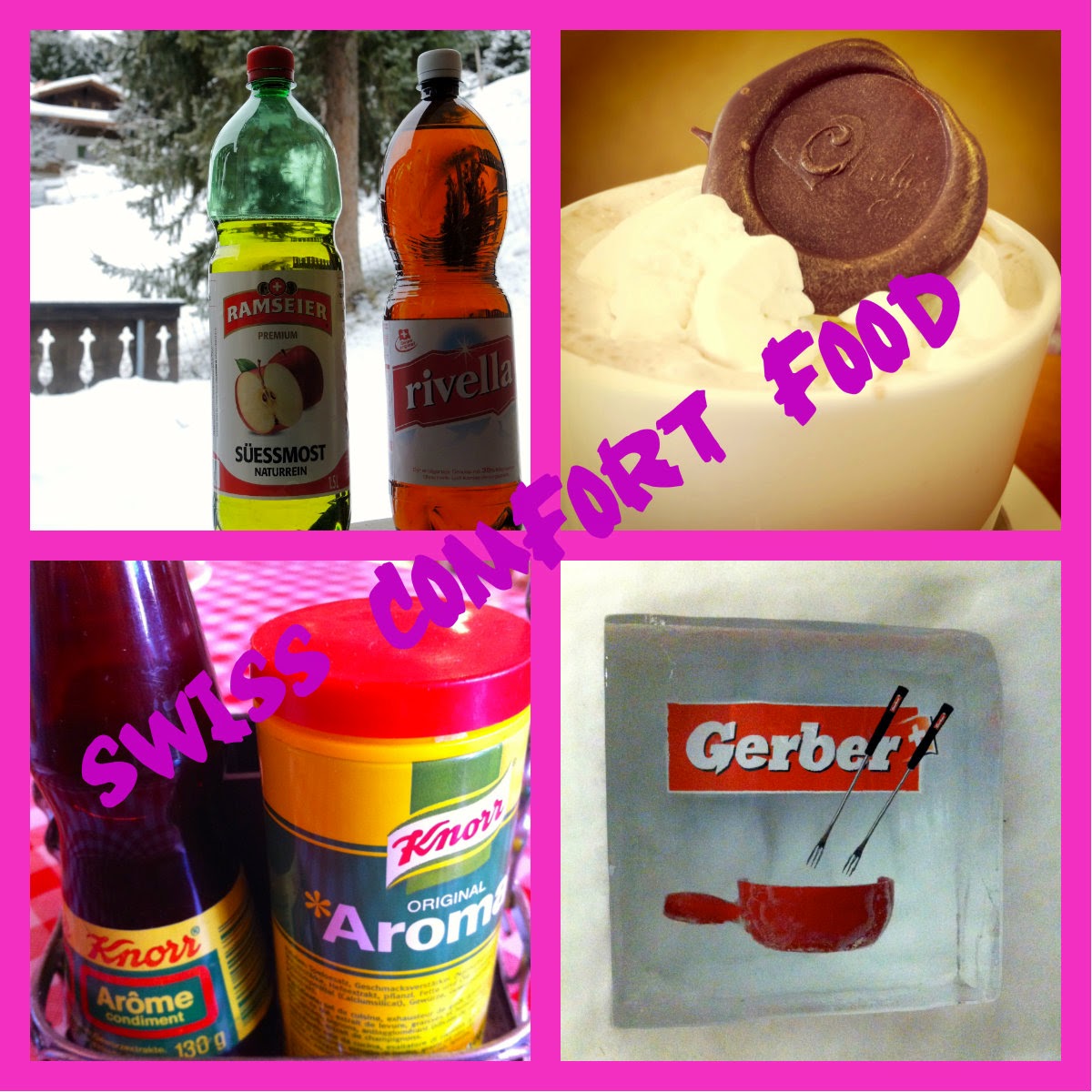
My Swiss comfort food
Did you know that the exact definition of comfort food is: "Traditional food which provides a nostalgic or sentimental feeling to the consumer, and is often characterized by a high carbohydrate level and simple preparation. The nostalgic element most comfort food has may be specific to either the individual or a specific culture."
Switzerland may be a small nation, but that hasn't stopped it from making a name for itself on the world stage. When it comes to food, Swiss cuisine is often described as a blend of Italian, French and German influences. The dishes aren't elaborate, but they are executed well. Switzerland is known for it's cheese fondue and chocolate (try my heavenly mousse recipe), but there's plenty more than meets the eye. For an authentic Swiss meal think Rösti and G'schnetzles (Zürich style diced-veal), Spätzli (an egg noodle "dumpling" dish) or a slice of Engadine nut tart.
Can you tell I've been home over the holidays? Yes, I admit I am feeling slightly homesick.
Switzerland may be a small nation, but that hasn't stopped it from making a name for itself on the world stage. When it comes to food, Swiss cuisine is often described as a blend of Italian, French and German influences. The dishes aren't elaborate, but they are executed well. Switzerland is known for it's cheese fondue and chocolate (try my heavenly mousse recipe), but there's plenty more than meets the eye. For an authentic Swiss meal think Rösti and G'schnetzles (Zürich style diced-veal), Spätzli (an egg noodle "dumpling" dish) or a slice of Engadine nut tart.
Can you tell I've been home over the holidays? Yes, I admit I am feeling slightly homesick.
All recipes can be found on my Expat with Kids Recipe blog.
January 16, 2015
La Galette des Rois - HOMEMADE!
January 6th is NOT a holiday in France like in most other countries we have lived in. My kids tried very hard the night before to negotiate their way out of school without success needless to say. No, we do not live in Lugano or Milano anymore and quite frankly if La Befana finds her way to our house it will be over night. Los Reyes Magos will not be arriving from Madrid since you received all your gifts on December 24th already.
We will, however, have a Three Kings Cake to celebrate the occasion. Now, I am a great lover of traditions and am the first to explore a local custom but I cannot for the life of me get myself to buy a Galette des Rois at the bakery. It is a question of principal rather than price. As my husband can vouch, I am much better at spending than earning money but I refuse to pay 25 Euros for a fluffy pastry tart filled with Frangipane whatever that might consist of (I am still trying to figure that one out).
Therefore I fell back on dear old Betty Bossi (Switzerland's equivalent of Julia Child) and dug out a Three Kings Cake recipe along with a golden paper crown that had somehow miraculously survived since our Lugano days and went to work with Expat Girl, much to her delight. I am no rebel but I needed to prove my point.
The result was flabbergasting I dare say. Honestly, our Swiss Galette des Rois looked better than the professional ones we used to buy in Switzerland... and it tasted better too! The recipe did state: to be devoured freshly out of the oven and so we did.
The flour cost 99 cents, the yeast 83 cents, the butter 98 cents, the milk was 83 cents, a bit of sugar and salt and we served a scrumptious brioche for eight people.
I am wondering if I might be on to a revolutionary business idea? How do you think Swiss Three Kings Cakes would fair in Paris?
We will, however, have a Three Kings Cake to celebrate the occasion. Now, I am a great lover of traditions and am the first to explore a local custom but I cannot for the life of me get myself to buy a Galette des Rois at the bakery. It is a question of principal rather than price. As my husband can vouch, I am much better at spending than earning money but I refuse to pay 25 Euros for a fluffy pastry tart filled with Frangipane whatever that might consist of (I am still trying to figure that one out).
Therefore I fell back on dear old Betty Bossi (Switzerland's equivalent of Julia Child) and dug out a Three Kings Cake recipe along with a golden paper crown that had somehow miraculously survived since our Lugano days and went to work with Expat Girl, much to her delight. I am no rebel but I needed to prove my point.
The result was flabbergasting I dare say. Honestly, our Swiss Galette des Rois looked better than the professional ones we used to buy in Switzerland... and it tasted better too! The recipe did state: to be devoured freshly out of the oven and so we did.
The flour cost 99 cents, the yeast 83 cents, the butter 98 cents, the milk was 83 cents, a bit of sugar and salt and we served a scrumptious brioche for eight people.
I am wondering if I might be on to a revolutionary business idea? How do you think Swiss Three Kings Cakes would fair in Paris?
Here is the link to the Three Kings Cake recipe: Expat with Kids
Labels:
Celebration,
cooking,
food,
Recipe,
Switzerland,
tradition
October 15, 2012
Cook, Eat and Run
Living in Paris, how could I NOT enroll in a cooking class once in a while. Usually I am tempted by a sumptuous mille feuille tradition or a succulent chocolate souffle course. However, L'atelier des Chefs opened up a new location in Paris - right next to my favourite shop BHV- last week and my foddie friend signed us up immediately.
The French brothers Nicolas and Francois Bergerault offer a thirty minute hands-on cooking experience, known as "L'en cas" which in English could be translated as "Cook, Eat and Run". It doesn't matter whether you are a complete beginner or a more experienced cook, in 30 minutes sharp they teach you how to prepare and cook a dish that you can serve at your next dinner party and impress your guests not to mention your hubby. I'm not sure my kids are ready to appreciate French cuisine...yet?!
In a convivial and fun environment we learnt how to concoct Asian noodles with crunchy vegetables and roasted prawns. I love cooking but I have kept well away of seafood. Growing up in Switzerland doesn't really incentivate you towards this kind of food. After my initiation with gambas I have served them for dinner in three different versions much to my hubbies' delight who grew up in Napoli.
Click here for the recipe in French: www.atelierdeschefs.fr-nouilles-sautees-aux-legumes-croquants-et-gambas-roties
The French brothers Nicolas and Francois Bergerault offer a thirty minute hands-on cooking experience, known as "L'en cas" which in English could be translated as "Cook, Eat and Run". It doesn't matter whether you are a complete beginner or a more experienced cook, in 30 minutes sharp they teach you how to prepare and cook a dish that you can serve at your next dinner party and impress your guests not to mention your hubby. I'm not sure my kids are ready to appreciate French cuisine...yet?!
In a convivial and fun environment we learnt how to concoct Asian noodles with crunchy vegetables and roasted prawns. I love cooking but I have kept well away of seafood. Growing up in Switzerland doesn't really incentivate you towards this kind of food. After my initiation with gambas I have served them for dinner in three different versions much to my hubbies' delight who grew up in Napoli.
Click here for the recipe in French: www.atelierdeschefs.fr-nouilles-sautees-aux-legumes-croquants-et-gambas-roties
A kitchen spic and span
The ingredients which need to be chopped
The enemy: las gambas
First time I've ever cooked Asian noodles
(remember I am married to an Italian:
we eat pasta NOT noodles))
Sautéeing veggies
15 minutes down, 15 minutes to go...
the exotic touch
a bit of green as colour contrast
Frying the cooked noodles
... et voilà!
February 8, 2012
Tartiflette Savoyarde recipe
What is a tartiflette? My French is goes a long way but when we visited the Festival des fromages de Meulan back in September I came across this delicous dish for the first time. Tartiflette is a French dish from the Haute Savoie region of France. It is made with potatoes, reblochon cheese, cream, and lardons. The word tartiflette is likely derived from the Arpitan word for potato, tartifla.
Check out this simple and easy recipe which will transport you towards to the French Alps just in time for ski holidays.
Ingredients: (serves 6)
1.5 kg of potatoes, cut into slices
1 creamy Reblochon
2 onions, diced
200g smoked bacon
1 small jar of crème fraiche
Preparation:
1.) Cook the potatoes in boiling water for 15 min.
2.) Slice the onions thinly and put them in a frying pan with a bit of oil.
3.) When they're half-cooked, add the bacon. Fry the diced onion with the bacon until golden then add the potatoes until lighty brown.
(Optional: When the mixture is ready, add a small glass of wine and continue cooking until it has evaporated)
3.) Transer mixture into a baking dish. Pour a thin layer of crème fraiche on top.
4.) Slice a reblochon cheese in half so you have two large round pieces. Place cheese down, rind up, on the mixture.
5.) Bake for 20 minutes, Reblochon should be barely brown and runny.
Mmmmmhhhhhh!!!!!
Check out this simple and easy recipe which will transport you towards to the French Alps just in time for ski holidays.
Ingredients: (serves 6)
1.5 kg of potatoes, cut into slices
1 creamy Reblochon
2 onions, diced
200g smoked bacon
1 small jar of crème fraiche
Preparation:
1.) Cook the potatoes in boiling water for 15 min.
2.) Slice the onions thinly and put them in a frying pan with a bit of oil.
3.) When they're half-cooked, add the bacon. Fry the diced onion with the bacon until golden then add the potatoes until lighty brown.
(Optional: When the mixture is ready, add a small glass of wine and continue cooking until it has evaporated)
3.) Transer mixture into a baking dish. Pour a thin layer of crème fraiche on top.
4.) Slice a reblochon cheese in half so you have two large round pieces. Place cheese down, rind up, on the mixture.
5.) Bake for 20 minutes, Reblochon should be barely brown and runny.
Mmmmmhhhhhh!!!!!
February 1, 2012
La Chandeleur - the French pancake day
"Quand la Chandeleur est claire, l'hiver est par derriere; Chandeleur couverte, quarante jours de perte!"
(If February 2 is clear, no more winter to fear; if the Chandeleur is overcast, forty days winter to last).
This past week I have repeatedly come across something called La Chandeleur. When a promotional offer from Carrefour on-line arrived in my mailbox I decided to google it!
La Chandeleur – which occurs on February 2nd, is also known as the Presentation of Jesus at the Temple. Other traditional names include Candlemas, the Feast of the Purification of the Virgin, and the Meeting of the Lord.
Traditionally, Candlemas had been the last feast day in the Christian year that was dated by reference to Christmas. Subsequent moveable feasts are calculated with reference to Easter. Candlemas occurs 40 days after Christmas.
Traditionally the Western term "Candlemas" (or Candle Mass) referred to the practice whereby a priest blessed beeswax candles at midnight for use throughout the year as a symbol of purification.
Today, for young and old alike, Candlemas (Chandeleur) is celebrated as crêpes day and generations have kept alive a collection of traditions and customs around the making of crêpes. For instance, crêpes must be eaten only after eight in the evening. If the cook can flip a crêpe while holding a coin in the other hand, the family is assured of prosperity throughout the coming year. Another custom (although less followed) suggests keeping the first cooked crêpe in a wardrobe in order to assure the abundance of the coming harvests.
Therefore tomorrow, I'll be taking my children off the the Mairie (town hall) where pancakes are being served for free. I just hope we will not freeze to death. The weather forecast for tomorrow is -12°C in Paris!!!!
Following is the crêpe recipe à la française:
Ingredients: (makes 12 crepes)
125 g plain flour
1/2 tsp salt
2 eggs, lightly beaten
300 ml milk or a mixture of milk and water (50/50)
Preparation:
1.) Sift the flour and salt into a mixing bowl. Make a well in the centre and add the beaten eggs and a little milk. Gradually mix in the flour from the sides, pouring more of the remaining liquid as you go and keeping a smooth batter. Continue until all the liquid is added and the flour is combined. You can use an electric whisk if you prefer, but make sure you incorporate the liquid in gradually otherwise you will have lumps through the batter.
2.) Cover and let it rest for at least 30-60 minutes or overnight in the fridge.
3.) When ready to make the crepes, beat the batter lightly.
4.) Heat the crepe pan to very hot with a small amount of vegetable oil. Wipe with kitchen towel and pour the excess oil away so you don’t end up with a greasy first crepe.
5.) Pour a small amount of the batter in and work quickly, tilting the pan to cover the base with a thin layer of the batter. When it bubbles a little and comes away from the sides of the pan it is ready to turn ... either toss if you are feeling confident or turn with a spatula.
6.) Cook the other side then serve with the topping of your choice.
7.) Some people cook the whole stack then re-heat quickly before serving, others cook a big stack and keep them warm in the oven with a tea towel whilst cooking them all ... or serve people one at a time as you make them and make a social event out of it.
Bon Appetit!
(If February 2 is clear, no more winter to fear; if the Chandeleur is overcast, forty days winter to last).
This past week I have repeatedly come across something called La Chandeleur. When a promotional offer from Carrefour on-line arrived in my mailbox I decided to google it!
La Chandeleur – which occurs on February 2nd, is also known as the Presentation of Jesus at the Temple. Other traditional names include Candlemas, the Feast of the Purification of the Virgin, and the Meeting of the Lord.
Traditionally, Candlemas had been the last feast day in the Christian year that was dated by reference to Christmas. Subsequent moveable feasts are calculated with reference to Easter. Candlemas occurs 40 days after Christmas.
Traditionally the Western term "Candlemas" (or Candle Mass) referred to the practice whereby a priest blessed beeswax candles at midnight for use throughout the year as a symbol of purification.
Today, for young and old alike, Candlemas (Chandeleur) is celebrated as crêpes day and generations have kept alive a collection of traditions and customs around the making of crêpes. For instance, crêpes must be eaten only after eight in the evening. If the cook can flip a crêpe while holding a coin in the other hand, the family is assured of prosperity throughout the coming year. Another custom (although less followed) suggests keeping the first cooked crêpe in a wardrobe in order to assure the abundance of the coming harvests.
Therefore tomorrow, I'll be taking my children off the the Mairie (town hall) where pancakes are being served for free. I just hope we will not freeze to death. The weather forecast for tomorrow is -12°C in Paris!!!!
Following is the crêpe recipe à la française:
Ingredients: (makes 12 crepes)
125 g plain flour
1/2 tsp salt
2 eggs, lightly beaten
300 ml milk or a mixture of milk and water (50/50)
Preparation:
1.) Sift the flour and salt into a mixing bowl. Make a well in the centre and add the beaten eggs and a little milk. Gradually mix in the flour from the sides, pouring more of the remaining liquid as you go and keeping a smooth batter. Continue until all the liquid is added and the flour is combined. You can use an electric whisk if you prefer, but make sure you incorporate the liquid in gradually otherwise you will have lumps through the batter.
2.) Cover and let it rest for at least 30-60 minutes or overnight in the fridge.
3.) When ready to make the crepes, beat the batter lightly.
4.) Heat the crepe pan to very hot with a small amount of vegetable oil. Wipe with kitchen towel and pour the excess oil away so you don’t end up with a greasy first crepe.
5.) Pour a small amount of the batter in and work quickly, tilting the pan to cover the base with a thin layer of the batter. When it bubbles a little and comes away from the sides of the pan it is ready to turn ... either toss if you are feeling confident or turn with a spatula.
6.) Cook the other side then serve with the topping of your choice.
7.) Some people cook the whole stack then re-heat quickly before serving, others cook a big stack and keep them warm in the oven with a tea towel whilst cooking them all ... or serve people one at a time as you make them and make a social event out of it.
Bon Appetit!
Labels:
Celebration,
cooking,
food,
France,
Recipe
January 5, 2012
La Galette des Rois - homemade!
Reyes Magos, Epifany, La Befana, Three Kings Day...International family means International traditions! I do admit we pick and choose our celebrations. January 6th has found its place in our household as "Los Reyes Magos". Mainly because we lived in Madrid when the kind caught on to the fact that in Spanish tradition the three kings bring the kids all their presents rather than Father Christmas. Add 2 plus 2....pressies for Christmas plus regalos for "Los Reyes Magos".
However, we now live in Paris, therefore I have decided to give our family tradition a twist by baking the typical French dessert bread called "La Galette des Rois" in preparation for tomorrow.
"La Galette des Rois" (the cake of the three kings), a cake made of frangipane (almond cream paste) and a buttery crust, is sold in patisseries all over France. These delicious cakes celebrate the Feast of the Epiphany. Many boulangeries now do different flavors besides the traditional almond including raspberry, pistachio, and chocolate. The cake is usually sold with a gold paper crown.
Here is how to make it yourself! Give it a try. It is really fast and easy.
La Galette des Rois (Serves 8)
Ingredients:
1 1/4 lb frozen puff pastry
2 eggs
7 oz almond paste
Preparation:
Leave the puff pastry at room temperature for about 2 hours until defrosted but still cold.
Preheat the oven to 400°F.
Line a baking sheet or pizza pan with baking parchment or grease the pan and lightly sift flour on it. Shake off any excess flour. Roll each sheet of pastry into a circle about 12 inches across. Place one circle on the prepared pan.
Mix the egg with the almond paste until smooth and spread the mixture evenly on the prepared circle of pastry, leaving a border 1 1/2 inches wide all around. If you have a small piece of china, insert it into the almond mixture (you may also use a bean as the fève.) The person who gets the fève is the King or Queen for the day.
Place the second circle of pastry on top and press it down tightly around the rim.
Beat lightly the remaining egg and brush it on the top of the cake. With a long-bladed knife, press lightly but firmly through the egg glaze marking a crisscross pattern.
Bake for 20–25 minutes until golden and puffed. Do not check for doneness for at least 15 minutes, as the pastry may collapse. Serve slightly warm or cold.
Easy peazy!!!
However, we now live in Paris, therefore I have decided to give our family tradition a twist by baking the typical French dessert bread called "La Galette des Rois" in preparation for tomorrow.
"La Galette des Rois" (the cake of the three kings), a cake made of frangipane (almond cream paste) and a buttery crust, is sold in patisseries all over France. These delicious cakes celebrate the Feast of the Epiphany. Many boulangeries now do different flavors besides the traditional almond including raspberry, pistachio, and chocolate. The cake is usually sold with a gold paper crown.
Here is how to make it yourself! Give it a try. It is really fast and easy.
La Galette des Rois (Serves 8)
Ingredients:
1 1/4 lb frozen puff pastry
2 eggs
7 oz almond paste
Preparation:
Leave the puff pastry at room temperature for about 2 hours until defrosted but still cold.
Preheat the oven to 400°F.
Line a baking sheet or pizza pan with baking parchment or grease the pan and lightly sift flour on it. Shake off any excess flour. Roll each sheet of pastry into a circle about 12 inches across. Place one circle on the prepared pan.
Mix the egg with the almond paste until smooth and spread the mixture evenly on the prepared circle of pastry, leaving a border 1 1/2 inches wide all around. If you have a small piece of china, insert it into the almond mixture (you may also use a bean as the fève.) The person who gets the fève is the King or Queen for the day.
Place the second circle of pastry on top and press it down tightly around the rim.
Beat lightly the remaining egg and brush it on the top of the cake. With a long-bladed knife, press lightly but firmly through the egg glaze marking a crisscross pattern.
Bake for 20–25 minutes until golden and puffed. Do not check for doneness for at least 15 minutes, as the pastry may collapse. Serve slightly warm or cold.
Easy peazy!!!
Labels:
Celebration,
food,
Recipe
December 18, 2011
Hänsel & Gretel Huus or how to make a gingerbread house
"Happiness is the smell of Gingerbread baking in the oven"
My father was American, my mother is British, I have travelled half way across the globe, I speak different languages and married my Italian Amore but at heart I'll always be Swiss. At home we trick&treat at Halloween, we celebrate Thanksgiving, Samichlaus leaves goodies by the chimney on December 6th, we have Christmas crackers along with struffoli for Christmas and the Befana accompanies Los Reyes Magos at Epiphany. That's why when Advent comes along I will religiously reserve a weekend to bake Wiehnachtsguetzli (Swiss Christmas biscuits) with my children.
This year we went the whole nine yards. We skipped the Zimtsternli, Brunsli, Chräbeli and Mailänderli and decided to make a Hänsel & Gretel Huus (Gingerbreadhouse) from scratch.
Here is the result:
Following is the recipe:
Gingerbread dough
You will need 4 portions of dough. Prepare 2 portions at a time. One half will serve as base. The other half should be enough for all cut-outs.
Ingredients for 1 portion:
300g flour
1 tbl spoon mixed spices (Lenkuchengewürz)
5 tbl spoon white sugar
150gr of honey (melted and cooled) or molasses
2 tea spoon of ammonium carbonate (Triebsalz) or baking soda
3/4 dl cold milk
milk for brushing
Preparation:
Place flour in a bowl, add spice mixture, sugar and honey. Disolve ammonium carbonate in the cold milk, pour into flour/sugar mix and knead quickly to obtain a soft dough. It should not stick to your fingers. Covered the dough and let stand, preferably over night.
Suggestions:
- the gingerbread rises better if the dough has rested for the night
- you can even prepare dough several days in advance, in order for dough not to dry out put it in a plastic bag without tightening it or just slide the bowl directly into the bag
- remove dough from refrigerator half an hour before rolling and knead quickly
Shaping:
- roll out dough on a floured surface until it is 0,5cm thick
- cut the gingerbread very carefully according to drawing and place on parchment paper.
- double check dimensions are correct after having placed pieces on tray. The more precise you cut and bake, the easier it is to assemble.
- brush with milk
Cooking time:
10 to 15 minutes 180°C in pre-heated oven
Icing Sugar
Ingredients:
120gr powder sugar
1 fresh egg white
Preparation:
beat, fill into a pastry bag and use as “glue” and for decoration. The thicker the mixture the better it sticks. Patience is needed when holding pieces together.
Assembly:
Roll out about half of dough as base. On top of base place walls and stick together with icing mixture. Hold on to walls until they stick together. A loose rubber band could do the trick as well. (Cut off elastic band carefully before you add the roof). Then stick the two roof bits on top of walls. Hold it until dry. This is the very important! Remember, you’ll be sticking lots of sweets on the roof. It needs to be solidly stuck to the walls. Cut the base of chimney in order to fit the roof. When dry stick some cotton wool in it for smoke. Stick on door, shutters and decorate to your hearts delight.
My father was American, my mother is British, I have travelled half way across the globe, I speak different languages and married my Italian Amore but at heart I'll always be Swiss. At home we trick&treat at Halloween, we celebrate Thanksgiving, Samichlaus leaves goodies by the chimney on December 6th, we have Christmas crackers along with struffoli for Christmas and the Befana accompanies Los Reyes Magos at Epiphany. That's why when Advent comes along I will religiously reserve a weekend to bake Wiehnachtsguetzli (Swiss Christmas biscuits) with my children.
This year we went the whole nine yards. We skipped the Zimtsternli, Brunsli, Chräbeli and Mailänderli and decided to make a Hänsel & Gretel Huus (Gingerbreadhouse) from scratch.
Here is the result:
Gingerbread dough
You will need 4 portions of dough. Prepare 2 portions at a time. One half will serve as base. The other half should be enough for all cut-outs.
Ingredients for 1 portion:
300g flour
1 tbl spoon mixed spices (Lenkuchengewürz)
5 tbl spoon white sugar
150gr of honey (melted and cooled) or molasses
2 tea spoon of ammonium carbonate (Triebsalz) or baking soda
3/4 dl cold milk
milk for brushing
Preparation:
Place flour in a bowl, add spice mixture, sugar and honey. Disolve ammonium carbonate in the cold milk, pour into flour/sugar mix and knead quickly to obtain a soft dough. It should not stick to your fingers. Covered the dough and let stand, preferably over night.
Suggestions:
- the gingerbread rises better if the dough has rested for the night
- you can even prepare dough several days in advance, in order for dough not to dry out put it in a plastic bag without tightening it or just slide the bowl directly into the bag
- remove dough from refrigerator half an hour before rolling and knead quickly
Shaping:
- roll out dough on a floured surface until it is 0,5cm thick
- cut the gingerbread very carefully according to drawing and place on parchment paper.
- double check dimensions are correct after having placed pieces on tray. The more precise you cut and bake, the easier it is to assemble.
- brush with milk
Cooking time:
10 to 15 minutes 180°C in pre-heated oven
Icing Sugar
Ingredients:
120gr powder sugar
1 fresh egg white
Preparation:
beat, fill into a pastry bag and use as “glue” and for decoration. The thicker the mixture the better it sticks. Patience is needed when holding pieces together.
Assembly:
Roll out about half of dough as base. On top of base place walls and stick together with icing mixture. Hold on to walls until they stick together. A loose rubber band could do the trick as well. (Cut off elastic band carefully before you add the roof). Then stick the two roof bits on top of walls. Hold it until dry. This is the very important! Remember, you’ll be sticking lots of sweets on the roof. It needs to be solidly stuck to the walls. Cut the base of chimney in order to fit the roof. When dry stick some cotton wool in it for smoke. Stick on door, shutters and decorate to your hearts delight.
November 21, 2011
Swiss-American Thanksgiving recipes
This week is Thanksgiving and although I have lived thousands of miles away from the United States most of my life, rarely have I missed Thanksgiving. When I was a little girl the main reason for loving this special American holiday was that I was granted special permission to take the afternoon off from school. Today, I cook the meal myself for family and friends. Days spent in the kitchen are worth all the work when you finally sit down with a good glass of wine at hand and can enjoy your oeuvre d'art, because that is what is!
I have celebrated Thanksgiving in Zurich, Geneva, Washington D.C., Milano, Madrid and Lugano. This year we had an early Parisian Thanksgiving yesterday since Thursday is not a holiday in France.
16 Italians and 1 Swiss-American (the undersigned) gathering around a table turned out to be an animated afternoon to say the least. Lots of shouting, laughing and gesticulation combined with curiosity of discovering savoury-sweet Pumpkin/Maple syrup soup or bright orange sweet potatoe purée. A totally new culinary territory for Italians.
Over the years the following recipes have proven to be my absolute favourite. Go ahead and experiment yourself!
Maple-Roasted Turkey with Sage Butter
Ingredients:
1 sticks unsalted butter, softened to room temperature
1/4 bunch fresh sage, finely chopped
Kosher salt and freshly ground black pepper
1 (12 to 14-pound) fresh turkey, giblets, neck, and liver discarded
8 strips bacon
1/2 cup maple syrup
2 tablespoons hot water or bouillon
Preparation:
Preheat the oven to 320 degrees F and remove the top rack of the oven.
Put the butter and sage in a mixing bowl and mash with a fork or spoon until the sage is well incorporated. Season with salt and pepper.
Rinse the bird thoroughly inside and out with cold water, and pat dry with paper towels. Sprinkle the cavity and skin liberally with salt and pepper. Using your fingers, gently lift the skin from the turkey breast and slip the remaining seasoned butter under, massaging the breast meat as you go. Truss the bird by crossing the legs over one another and tying with a piece of kitchen twine. Shingle the bacon strips over the breast so it's totally covered. Put the turkey on a rack in a large roasting pan, cover the turkey with aluminium foil, and place in the oven.
In a small bowl, stir the maple syrup with 2 tablespoons of hot water to thin. Roast the turkey for 2 hours, basting with the maple glaze every 30 minutes. Continue cooking until an instant-read thermometer inserted into the meaty part of the thigh registers 170 degrees F. The thigh juices will run clear when pricked with a knife, about 4 hours total (20 minutes per pound). About 1/2 hour before you think the turkey is done, remove the foil so that it can brown. When done take the turkey out of the oven and put the roasting pan on the stovetop. Transfer the turkey to a serving tray to rest at least 20 minutes before carving. Serve with Turkey Gravy.
Roasted Turkey Gravy
Ingredients:
5 tablespoons extra-virgin olive oil
1 large, smoked turkey wing or 2 small ones
1 medium onion, quartered
2 carrots, chopped
1 ribs celery, chopped
1 head garlic, split through the equator
4 stems fresh sage
4 sprigs fresh thyme
6 parsley stems
1 1/2 tablespoons all-purpose flour
6 cups chicken stock
Kosher salt and freshly ground black pepper
Preparation:
Heat the oven to 400 degrees F.
Heat 3 tablespoons olive oil in a large stock pot over medium-high heat. Add the wing, onion, carrots, celery, garlic, and herbs, and cook for 5 minutes. Place in the oven and roast for 30 minutes. Remove from the oven and place over medium heat. Remove the wing and set aside. Add the flour and let cook for about 1 minute. Add the stock and simmer until it has reduced by about 1/4, about 15 minutes. Strain the sauce and adjust the seasoning with salt and pepper.
Cranberry Sauce
Ingredients:
1 pound fresh cranberries, approximately 4 cups
1/4 cup freshly squeezed orange juice
1/4 cup 100 percent cranberry juice, not cocktail
1 cup honey
Preparation:
Wash the cranberries and discard any that are soft or wrinkled.
Combine the orange juice, cranberry juice and honey in a 2 quart saucepan over medium-high heat. Bring to a boil and then reduce the heat to medium-low and simmer for 5 minutes.
Add the cranberries and cook for 15 minutes, stirring occasionally, until the cranberries burst and the mixture thickens. Do not cook for more than 15 minutes as the pectin will start to break down and the sauce will not set as well. Remove from the heat and allow to cool for 5 minutes.
Carefully spoon the cranberry sauce into a 3 cup mold. Place in the refrigerator for at least 6 hours and up to overnight.
To unmold and serve, immerse bottom of mold in hot water for 10 to 15 seconds and turn upside down on plate or serving dish. If necessary, carefully run a warm knife around the edge of the mold.
Please check out my recipe book where you'll find more Thanksgiving recipes.
Just click on tab below and go directly to:
https://sites.google.com/site/expatwithkidsrecipebook/
I have celebrated Thanksgiving in Zurich, Geneva, Washington D.C., Milano, Madrid and Lugano. This year we had an early Parisian Thanksgiving yesterday since Thursday is not a holiday in France.
16 Italians and 1 Swiss-American (the undersigned) gathering around a table turned out to be an animated afternoon to say the least. Lots of shouting, laughing and gesticulation combined with curiosity of discovering savoury-sweet Pumpkin/Maple syrup soup or bright orange sweet potatoe purée. A totally new culinary territory for Italians.
Over the years the following recipes have proven to be my absolute favourite. Go ahead and experiment yourself!
Maple-Roasted Turkey with Sage Butter
Ingredients:
1 sticks unsalted butter, softened to room temperature
1/4 bunch fresh sage, finely chopped
Kosher salt and freshly ground black pepper
1 (12 to 14-pound) fresh turkey, giblets, neck, and liver discarded
8 strips bacon
1/2 cup maple syrup
2 tablespoons hot water or bouillon
Preparation:
Preheat the oven to 320 degrees F and remove the top rack of the oven.
Put the butter and sage in a mixing bowl and mash with a fork or spoon until the sage is well incorporated. Season with salt and pepper.
Rinse the bird thoroughly inside and out with cold water, and pat dry with paper towels. Sprinkle the cavity and skin liberally with salt and pepper. Using your fingers, gently lift the skin from the turkey breast and slip the remaining seasoned butter under, massaging the breast meat as you go. Truss the bird by crossing the legs over one another and tying with a piece of kitchen twine. Shingle the bacon strips over the breast so it's totally covered. Put the turkey on a rack in a large roasting pan, cover the turkey with aluminium foil, and place in the oven.
In a small bowl, stir the maple syrup with 2 tablespoons of hot water to thin. Roast the turkey for 2 hours, basting with the maple glaze every 30 minutes. Continue cooking until an instant-read thermometer inserted into the meaty part of the thigh registers 170 degrees F. The thigh juices will run clear when pricked with a knife, about 4 hours total (20 minutes per pound). About 1/2 hour before you think the turkey is done, remove the foil so that it can brown. When done take the turkey out of the oven and put the roasting pan on the stovetop. Transfer the turkey to a serving tray to rest at least 20 minutes before carving. Serve with Turkey Gravy.
Roasted Turkey Gravy
Ingredients:
5 tablespoons extra-virgin olive oil
1 large, smoked turkey wing or 2 small ones
1 medium onion, quartered
2 carrots, chopped
1 ribs celery, chopped
1 head garlic, split through the equator
4 stems fresh sage
4 sprigs fresh thyme
6 parsley stems
1 1/2 tablespoons all-purpose flour
6 cups chicken stock
Kosher salt and freshly ground black pepper
Preparation:
Heat the oven to 400 degrees F.
Heat 3 tablespoons olive oil in a large stock pot over medium-high heat. Add the wing, onion, carrots, celery, garlic, and herbs, and cook for 5 minutes. Place in the oven and roast for 30 minutes. Remove from the oven and place over medium heat. Remove the wing and set aside. Add the flour and let cook for about 1 minute. Add the stock and simmer until it has reduced by about 1/4, about 15 minutes. Strain the sauce and adjust the seasoning with salt and pepper.
Cranberry Sauce
Ingredients:
1 pound fresh cranberries, approximately 4 cups
1/4 cup freshly squeezed orange juice
1/4 cup 100 percent cranberry juice, not cocktail
1 cup honey
Preparation:
Wash the cranberries and discard any that are soft or wrinkled.
Combine the orange juice, cranberry juice and honey in a 2 quart saucepan over medium-high heat. Bring to a boil and then reduce the heat to medium-low and simmer for 5 minutes.
Add the cranberries and cook for 15 minutes, stirring occasionally, until the cranberries burst and the mixture thickens. Do not cook for more than 15 minutes as the pectin will start to break down and the sauce will not set as well. Remove from the heat and allow to cool for 5 minutes.
Carefully spoon the cranberry sauce into a 3 cup mold. Place in the refrigerator for at least 6 hours and up to overnight.
To unmold and serve, immerse bottom of mold in hot water for 10 to 15 seconds and turn upside down on plate or serving dish. If necessary, carefully run a warm knife around the edge of the mold.
Please check out my recipe book where you'll find more Thanksgiving recipes.
Just click on tab below and go directly to:
https://sites.google.com/site/expatwithkidsrecipebook/
HAPPY THANKSGIVING
Labels:
Celebration,
holiday,
Recipe,
Thanksgiving,
USA
Subscribe to:
Posts (Atom)